Parts Shop
 Store Locator
 131 723
Can a car radiator explode?
Back to Info & Advice//
A car radiator does not typically explode like a bomb, but it can burst, crack or rupture under extreme pressure and heat. When pressure in the cooling system exceeds safe operating levels, weak components such as radiator hoses, plastic tanks, or seals can fail suddenly. This can forcefully release hot coolant and steam, posing a serious safety risk and potentially causing severe engine damage.
Why radiators burst, crack or warp under extreme conditions
A radiator can burst, crack or warp when excessive heat and pressure build inside the cooling system. As coolant heats up, it expands and creates pressure designed to stay within safe operating limits. When components like the radiator cap, thermostat or hoses fail, pressure in the cooling system can rise dangerously high and weaken the radiator over time.
Extreme temperatures can also cause thermal expansion in metal and plastic radiator components. If the radiator cannot cool properly due to poor airflow, clogged cooling fins or low coolant levels, the excess heat may cause cracks, warped plastic tanks or hose bursts. In severe cases, hot coolant and steam may escape forcefully once the system gives way.
5 common reasons a car radiator can crack or burst
Radiator failure is usually caused by overheating, excessive pressure or wear inside the cooling system. When coolant cannot circulate properly, or pressure builds beyond safe limits, components like the radiator hose, seals and plastic tanks can weaken and eventually crack or burst.
1. A clogged radiator building pressure
A clogged radiator can stop coolant from flowing properly through the cooling system, causing heat and pressure to build inside the system. Sediment, rust and debris can block the narrow cooling passages over time, especially if coolant hasn’t been replaced according to the manufacturer’s recommendations.
As pressure increases, weak points such as radiator hoses, seals or plastic tanks may begin to crack or leak. In severe cases, the radiator can rupture under extreme pressure, releasing hot coolant and steam.
2. A faulty radiator cap failing to relieve pressure
The radiator cap acts as a safety valve, helping regulate pressure in the cooling system. If the cap becomes worn, damaged or stuck closed, it may fail to release excess pressure correctly.
When pressure exceeds safe operating limits, hoses can swell, seals may fail, and the radiator itself can crack or burst. Even a small fault in the pressure relief valve can create serious cooling system problems over time.
3. Corrosion, age and road damage weakening the radiator
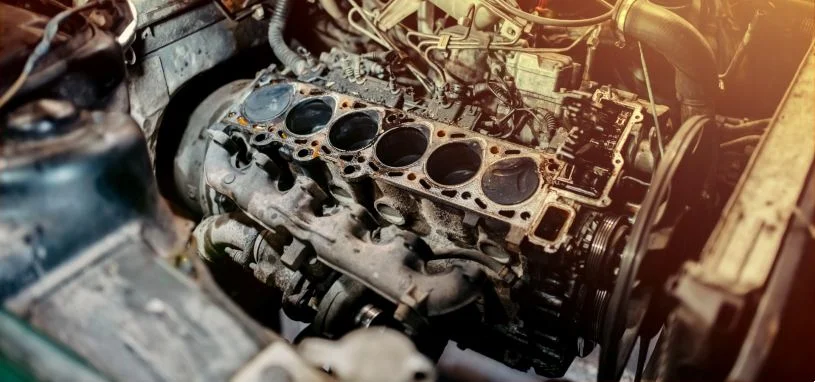
Over time, corrosion and wear can weaken the radiator internally and externally. Rust, contaminated coolant and moisture can slowly corrode the radiator core, while road debris may damage cooling fins or puncture the radiator surface.
Older radiators with weakened metal or plastic tanks are more likely to crack during normal heating and cooling cycles. Even minor impacts from stones or rough roads can eventually lead to leaks or structural failure.
4. A leaking head gasket causing overheating
A leaking head gasket can allow combustion gases to enter the cooling system, creating excess pressure and disrupting coolant flow. This often causes the engine to overheat and places additional strain on the radiator and hoses.
Common warning signs include coolant loss, bubbling inside the radiator or white exhaust smoke. If left untreated, a leaking head gasket can cause severe overheating and increase the risk of a radiator burst.
5. A faulty thermostat causing overheating
The thermostat controls coolant flow by opening and closing at specific operating temperatures. If it becomes stuck closed, coolant cannot circulate properly through the radiator, causing the engine to overheat quickly.
As temperatures rise, pressure inside the cooling system increases, which can damage hoses, seals, or the radiator itself. A faulty thermostat is one of the most common causes of sudden overheating.
What is thermal shock and how can it crack a radiator?
Thermal shock occurs when a radiator experiences a rapid temperature change that stresses the metal or plastic components beyond their limits. This usually happens when cold water or coolant is added to an overheated engine, causing the radiator materials to expand and contract too quickly.
The sudden change in temperature can crack weakened radiator tanks, damage seals, or create hairline fractures in the radiator core. Older radiators that are already affected by corrosion, wear and tear, or high pressure are especially vulnerable to thermal shock damage.
Prevent a radiator from bursting by following the proper steps in doing a coolant top up.
Thermal shock warning signs and symptoms
The first sign of thermal shock is often a sudden coolant leak appearing shortly after the engine overheats. Drivers may also notice steam from the engine bay, a temperature gauge running hotter than normal or coolant collecting beneath the vehicle.
Other warning signs include:
- Hairline fractures around radiator seams or plastic tanks
- Sudden pressure loss in the cooling system
- Hot coolant overflowing from the overflow tank
- Reduced airflow through damaged cooling fins
- Unusual overheating after adding water or coolant
Ignoring these symptoms can increase the risk of further radiator damage or engine overheating.
What does a cracked radiator look like?
A cracked radiator may show visible fractures along the plastic tanks, seams or radiator core. In some cases, the cracks are small and difficult to spot until coolant begins leaking under pressure.
Common signs include:
- Wet patches or coolant stains around the radiator
- White or green residue from dried coolant
- Steam rising from the engine bay
- Bulging radiator hoses caused by high pressure
- The temperature gauge climbing higher than normal
If the radiator bursts while driving, pull over safely and shut down the engine immediately to prevent further damage. Never open the radiator cap while the system is hot, as pressurised coolant can cause severe burns or scalding.
What to do if your radiator bursts or cracks
If your radiator bursts or develops a crack, it’s important to act quickly to prevent further engine damage. A sudden coolant leak can cause the engine’s temperature to rise rapidly, increasing the risk of overheating, warped cylinder heads, or engine block damage.
Allow the engine to cool completely
Never open the radiator cap while the system is hot. Pressurised coolant can spray forcefully, causing severe burns or scalding.
Inspect for visible leaks or damage
Once cooled, inspect the radiator hoses, clamps and radiator seams for coolant leaks, cracks or wet areas. Check whether coolant has leaked from the overflow tank.
Avoid relying on temporary sealants long-term
Some seal-cracked radiator products may temporarily slow small leaks, but they do not repair underlying damage or blockages in the cooling system.
Book a professional inspection
A qualified technician can diagnose the cause of the radiator failure and inspect the entire cooling system for overheating damage, pressure faults or a failing water pump.
What to do if your radiator is leaking but hasn’t burst
A radiator leak should always be diagnosed properly before using a temporary sealant or continuing to drive the vehicle. Even a small coolant leak can increase pressure inside the cooling system, causing the engine to operate at higher temperatures and increasing the risk of overheating or thermal shock.
Other components may also contribute to radiator leaks, including:
- A broken fan belt reducing airflow through the radiator
- Worn water pump bearings affecting coolant circulation
- A faulty thermostat causing overheating
- A damaged head gasket that allows pressure into the cooling system
Even a slow leak can create dangerous pressure and increase the risk of the radiator bursting under extreme heat.
Radiator safety tips to prevent bursting and thermal shock
Good radiator maintenance and preventive maintenance can help prevent dangerous pressure buildup, overheating and thermal shock inside the cooling system. Regular inspections reduce the risk of a radiator crack, coolant leak or sudden radiator burst.
Preventive cooling system maintenance can help prevent:
- Dangerous pressure buildup
- Thermal shock damage
- Engine overheating
- Coolant flow restrictions
- Premature radiator failure
Drivers should also monitor whether:
- The engine begins to operate at higher temperatures
- The temperature gauge rises unexpectedly
- Coolant levels drop repeatedly
- The radiator fan and airflow systems work correctly
These simple checks can help prevent further damage and reduce unnecessary vehicle downtime.
When to seek professional radiator repairs
Professional radiator repairs help restore safe cooling system operation before overheating causes serious engine damage. If coolant leaks, pressure problems or overheating continue, the entire liquid cooling system should be inspected as soon as possible.
In some cases, repairing a leaking hose or replacing a faulty cap may solve the issue. However, if corrosion, cracking or structural weakness is widespread, it may be safer to replace the radiator completely.
A professional cooling system service can restore proper coolant flow, improve airflow through the radiator, and help keep the engine operating safely under normal temperature and pressure conditions.
If your vehicle is overheating, leaking coolant or showing signs of radiator damage, book a professional inspection with Natrad. Our experienced technicians can diagnose cooling system faults and recommend the right radiator repairs for your vehicle.
Book a radiator inspection with Natrad
A professional radiator inspection can identify small cooling system problems before they become expensive repairs. At Natrad, our technicians diagnose radiator leaks, overheating issues and pressure faults that may cause a cracked radiator or sudden cooling system failure.
Don’t wait for your radiator to burst. We can help prevent further damage and restore reliable engine cooling performance. Book a cracked-radiator inspection at your local Natrad workshop today.