Parts Shop
 Store Locator
 131 723
When to change brake pads
What are brake pads and how do they work?
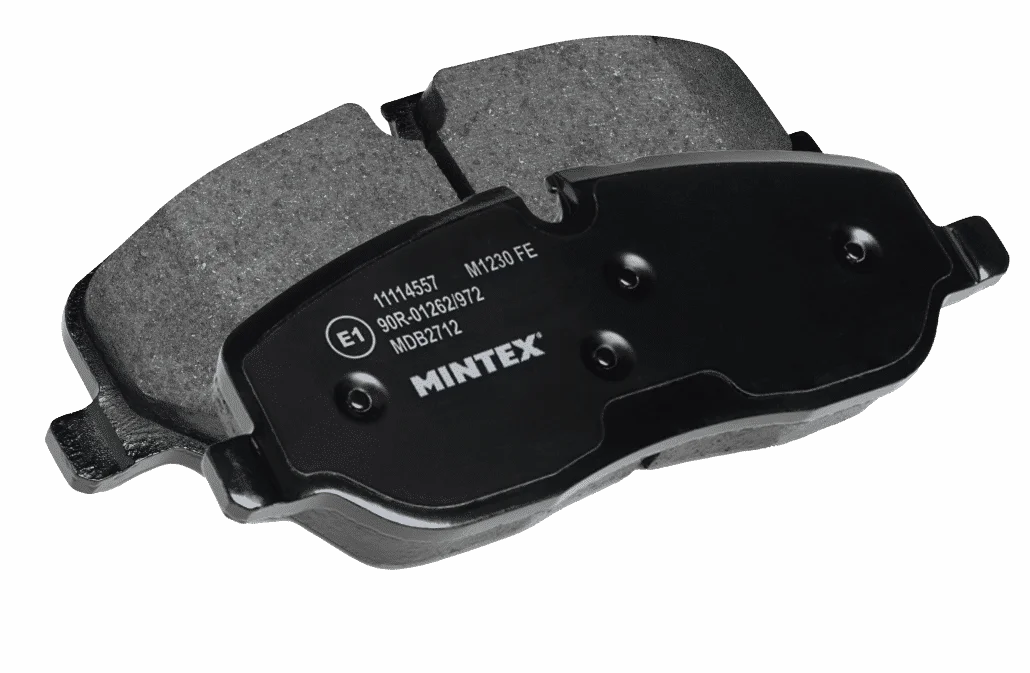
Brake pads are one of the most important parts of your car’s brake system. When you press the brake pedal, the brake pads press against the brake discs (also called rotors) to create friction and help slow or stop the vehicle.
Because brake pads work through friction, they are designed to wear down over time. This is normal, but if they become too thin, damaged or unevenly worn, your vehicle may take longer to stop, and other brake components can be affected.
Knowing when to change brake pads can help you avoid reduced braking performance, damaged rotors and more expensive repairs. It also gives you a chance to check your brake pads before small signs turn into serious safety issues.
How long do brake pads last?
There is no single answer to how long brake pads last. Their lifespan depends on the vehicle, the type of brake pad, your driving style and how often the braking system is inspected. Natrad notes that brake pad longevity is influenced by environmental factors, driving style, and vehicle-specific conditions.
As a general guide, brake pad wear can be affected by:
- How often you drive
- How much heavy braking you do
- Whether you drive mostly in city traffic or on highways
- The type of vehicle you drive
- The quality and material of the brake pads
- Whether your brakes are serviced regularly
City driving can wear brake pads faster because you are constantly stopping and starting. A heavier vehicle, commercial vehicle or performance car may also place more demand on the brake system than a small passenger car.
Brake pad warning signs and symptoms
Brake pads often give you warning signs before they fail. Some are easy to hear, while others are felt through the brake pedal or noticed in the way the vehicle stops.
Squeaking brakes
If, when stopping your car, you hear a high-pitched squeaking sound every time you apply the brakes, it’s a good indicator that your brake pads are worn out. Wear indicators, which are metal tabs located near the top of your typical brake pad, are a feature in most, but not all, brake pads.
Their purpose is to emit a screeching sound when the brake pads have worn down to a dangerous level. The indicators scrape against the rotor, producing a distinctive squeal that alerts you that your brake pads are nearly worn out, and it might be time for new ones.
Grinding noise
If you hear a grinding noise when you are stopping your car, it’s a sign that the brake pads are worn down to the metal, and it’s time for an immediate brake pad replacement.
Grinding noises in a brake pad are usually a sign of metal-on-metal contact, indicating that the brake pads have worn down completely and the metal callipers and rotors are now rubbing against each other. This can cause significant damage to the system and reduce its effectiveness. If you’re experiencing grinding noises in your brakes, it’s recommended to have them inspected by a qualified mechanic as soon as possible.
Vibration when braking
Vibration or pulsing through the brake pedal can suggest uneven brake pad wear or warped rotors. When the brake pads clamp onto a rotor with an uneven surface, the vibration can travel through the brake pedal and sometimes through the car.
This can happen when the brake system has overheated, when components are worn unevenly or when the rotors are no longer smooth. A brake rotor inspection can help identify whether the pads, rotors, or both need attention.
Slower stopping or reduced braking performance
If your car takes longer to stop, the brake pads may be too thin, or the braking system may not be working as it should. As brake pads wear down, they can become less effective at creating the friction needed to slow the car.
Reduced braking performance can also be linked to other brake system issues, including brake fluid, callipers, or rotors. If the brake pedal feels different, the car takes longer to stop, or braking feels less responsive, book a brake system inspection.

How to check brake pads at home
You do not need to be a mechanic to do a basic visual check of your brake pads. In many cars, you can see the brake pads through the spaces in the wheel without removing the wheel.
Before you start, make sure the car is parked safely, the engine is off, and the brakes have cooled down.
You will be looking for:
- Brake pad thickness
- Uneven wear between pads
- Damage, cracks or missing material
- Heavy brake dust or debris
- Brake disc or rotor condition
How to visually inspect brake pads without removing the wheel
To check brake pad wear at home:
- Look through the spaces in the wheel.
- Find the brake calliper, which is the metal unit that clamps around the brake rotor.
- Look between the calliper and rotor to find the brake pad.
- Check how much friction material is left on the pad.
- Compare the inside and outside pads if both are visible.
- Look for uneven wear, cracks or damage.
If one brake pad looks more worn than the other, this may indicate a problem with the caliper, rotor or braking system. A mechanic can properly inspect the brakes and identify the cause.
How to measure brake pad thickness
Brake pad thickness measurement helps determine whether the pads are still safe to use. As a general visual guide, brake pads should be about 1/4 inch thick, and if they are thinner than that, it may be time to replace them.
Use this table as a simple guide:
| Brake pad condition | What it may mean |
|---|---|
| Thick, even pad material | Pads may still be in good condition |
| Thin pad material | Pads may be close to replacement |
| Very thin or almost no material | Replacement is likely needed immediately |
| Uneven wear | The brake system may need inspection |
| Cracked or damaged material | Pads should be checked by a technician |
Do not rely only on a visual check if you are unsure. Brake pads can sometimes be hard to see clearly without removing the wheel.
Checking brake discs and rotors at the same time
When checking brake pads, it is also worth looking at the brake discs or rotors. Brake pads and rotors work together, so worn pads can damage the rotor surface.
Look for:
- Deep grooves or scoring
- Uneven rotor surface
- Rust or heavy discolouration
- Cracks or heat spots
- Vibration or pulsing when braking
If the rotor surface looks damaged, the brake pads may not make even contact. This can affect braking performance and may mean the rotors need to be machined or replaced.
When should you replace your brake pads?
You should replace your brake pads when they become too thin, make warning noises, reduce braking performance, or show signs of uneven wear. If your vehicle has electronic brake pad sensors, a brake warning light may also appear when the pads need attention.
Brake pads should not be pushed past their safe wear limit. If they wear down too far, they can damage the rotors and reduce your vehicle’s stopping power.
Replacing your brake pads: what to expect
Brake pad replacement usually starts with a brake inspection. A technician will check the brake pads, rotors, callipers, and brake fluid to understand the overall condition of the system.
A typical brake pad replacement may include:
- Removing the wheels
- Inspecting the brake pads and rotors
- Checking for uneven wear or damage
- Removing the worn brake pads
- Installing new brake pads
- Checking and changing brake fluid
- Testing brake pedal feel and braking performance
Some vehicles may only need new pads, while others may also need rotor machining or replacement. This depends on the condition of the brake discs and whether the worn pads have caused damage.
Have your brakes inspected at Natrad
If you are not sure when your brake pads were last replaced, or you have noticed squeaking, grinding, vibration or reduced braking performance on the road, have your brakes checked by a professional.
The team at Natrad can visually inspect your brake pads, check for wear and recommend the right replacement for your vehicle. Book an inspection for your brake parts to ensure they work safely and your vehicle is performing as it should.