Parts Shop
 Store Locator
 131 723
What is the average lifespan of a truck radiator?
Back to Info & Advice//
So, how often do truck radiators need to be replaced? While there is no fixed replacement interval, a well-maintained truck radiator often lasts 8 to 12 years. Factors such as operating conditions, coolant quality, maintenance history, and overall cooling system health can all influence how long a radiator lasts.
In this guide, we’ll look at what affects truck radiator lifespan, the warning signs of radiator failure, when repair may be possible, and when a full radiator replacement is the better option. This practical advice can help reduce downtime, improve cooling efficiency, and extend your vehicle’s lifespan.
What shortens the lifespan of a truck radiator?
A well-maintained truck radiator can provide years of reliable service, but several factors can shorten its lifespan. One of the most common causes is overheating. When a cooling system regularly operates outside its intended temperature range, the radiator is subjected to additional stress, which can accelerate wear and increase the risk of leaks or component failure.
Corrosion is another major contributor to radiator damage. Over time, coolant can break down and lose its protective properties, allowing rust and corrosion to develop inside the radiator. This can restrict coolant flow, reduce cooling efficiency, and eventually lead to radiator failure. Using the correct coolant and replacing it at recommended intervals helps minimise this risk.
Heavy-duty vehicles also operate in demanding environments where constant vibration, rough roads, and heavy loads can place extra strain on radiator mounts, tanks, and fittings. Combined with dirt, debris, and blocked radiator fins, these conditions can make it harder for the cooling system to dissipate heat effectively.
Poor maintenance often compounds these issues. Neglected coolant changes, worn radiator hoses, faulty radiator caps, and unresolved coolant leaks can all affect the cooling system’s performance. Left unchecked, these problems may cause the engine to overheat and significantly reduce the lifespan of the truck radiator.
Signs your truck radiator needs replacing
A failing truck radiator will usually show warning signs before it stops working completely. Identifying these problems early can help prevent unexpected breakdowns, reduce downtime, and protect the engine from costly damage.
Watch for the following signs that your radiator may need repair or replacement:
- Coolant leaks beneath the truck or around the radiator, hoses, or fittings.
- Frequent engine overheating, especially when towing, carrying heavy loads, or driving in hot conditions.
- Constant coolant loss, even when there are no obvious external leaks.
- Rust, corrosion, or discolouration on the radiator may indicate internal deterioration.
- Damaged fins or impact damage that restricts airflow and reduces cooling performance.
- Recurring radiator problems that continue returning after previous repairs.
- Temperature gauge fluctuations suggest the cooling system is struggling to maintain a stable operating temperature.
If you notice any of these truck cooling issues, it’s worth having the cooling system inspected as soon as possible. In some cases, a semi-radiator repair may resolve the problem. However, extensive corrosion, severe leaks, or repeated failures can indicate that replacement is the more reliable long-term solution.
Do you repair, re-core or replace a truck radiator?
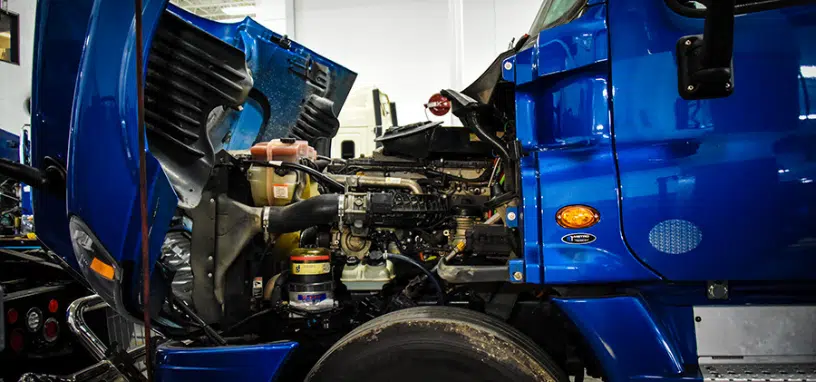
Not every truck radiator problem requires a complete replacement. The best solution depends on the radiator’s condition, the extent of the damage, and the type of radiator fitted to the vehicle. In some cases, a repair can restore performance, while older radiators may benefit from re-coring. Where damage is extensive, replacement is often the most reliable option.
When a radiator repair is enough
A truck radiator repair is often suitable when the damage is isolated and the radiator remains structurally sound. Small coolant leaks, damaged fittings, worn hoses, or minor external damage can frequently be repaired without replacing the entire unit.
Repairing the radiator can be a cost-effective option when the core is still in good condition and the cooling system is otherwise operating as intended.
When re-coring makes sense
Re-coring involves replacing the radiator’s internal core while retaining the original tanks and framework. This option is most commonly used on repairable copper-brass radiators where the core has deteriorated, but the surrounding structure remains serviceable.
A truck radiator recore can restore cooling performance while preserving the original radiator assembly, making it a practical solution for some heavy-duty and older vehicles.
When full replacement is the safest option
A full radiator replacement is usually recommended when corrosion is extensive, the core is severely damaged, or repeated repairs are no longer cost-effective. Cracked tanks, significant impact damage, and major internal blockages can all affect cooling efficiency and increase the risk of future failures.
In these situations, a heavy-duty truck radiator replacement provides the most reliable long-term outcome, helping protect the engine from overheating and reducing the likelihood of unexpected downtime.
Why choosing the right truck radiator matters
A radiator does much more than hold coolant. It plays a critical role in regulating engine temperatures, maintaining cooling efficiency, and protecting the engine from overheating. Choosing the correct truck radiator helps ensure that coolant flows properly, heat dissipates efficiently, and the cooling system can cope with the demands placed on the vehicle.
This is particularly important for heavy-duty vehicles operating in harsh Australian conditions. An undersized, incompatible, or poorly fitted radiator may struggle to manage engine temperatures, potentially leading to reduced performance, increased wear, and costly downtime.
Selecting the right heavy-duty radiator can improve reliability, support fuel efficiency, and help maximise the lifespan of the entire cooling system.
What radiator fits your truck?
The answer depends on more than just the make and model of the vehicle. When assessing truck radiator compatibility, several factors need to be considered:
- Engine size and cooling requirements
- Radiator dimensions and mounting points
- Hose and fitting locations
- Cooling capacity requirements
- Vehicle application and operating conditions
- Original equipment specifications
Because cooling requirements vary between vehicles, it’s important to confirm compatibility before installing a replacement radiator. If you’re wondering what radiator fits your truck, a cooling system specialist can assess your vehicle and recommend the most suitable option for long-term performance and reliability.
Materials and durability in heavy-duty truck radiators
Not all truck radiators are built from the same materials. The choice of material can affect cooling performance, durability, repairability, and resistance to vibration.
Copper-brass radiators are commonly found in older vehicles and are often easier to repair or re-core. They offer excellent serviceability but are generally heavier than modern alternatives.
Aluminium radiators are widely used in modern heavy-duty trucks. They are lightweight, provide efficient heat transfer, and perform well in demanding operating conditions.
Heavy-duty and custom radiators are designed for applications that require increased cooling capacity, vibration resistance, or durability. These radiators are often used in trucks operating in extreme environments or regularly carrying heavy loads.
How can truck drivers extend the lifespan of a radiator?
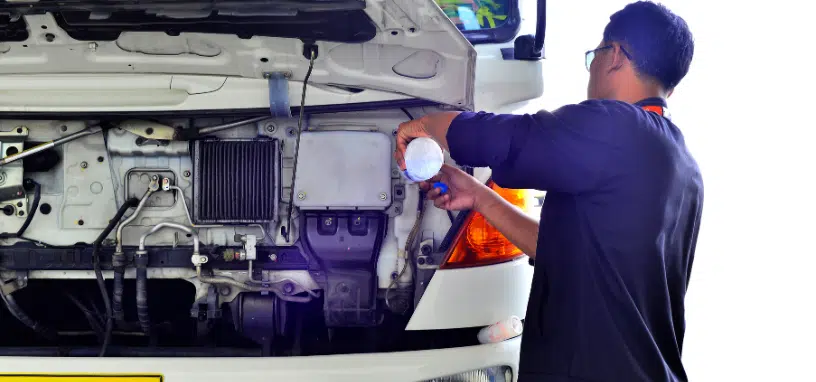
Regular maintenance is one of the most effective ways to maximise radiator lifespan and reduce the risk of cooling system failures. A well-maintained radiator operates more efficiently, is less likely to develop leaks or corrosion, and helps protect the engine from overheating.
Simple preventative maintenance can often add years to the life of a truck radiator. Keeping coolant in good condition, inspecting components for wear, and addressing minor issues before they escalate can all contribute to better cooling performance and long-term reliability.
Maintenance checklist for truck radiator longevity
A proactive truck radiator maintenance routine should include:
- Check coolant levels regularly and investigate any unexplained loss.
- Replace coolant at the intervals recommended for the vehicle and coolant type.
- Inspect radiator hoses for signs of cracking, swelling, or deterioration.
- Check the radiator cap to ensure it is maintaining the correct system pressure.
- Inspect the radiator for coolant leaks, corrosion, or physical damage.
- Clean dirt, debris, and insects from radiator fins to maintain airflow.
- Monitor the temperature gauge for signs of overheating or cooling system issues.
- Inspect the water pump and surrounding components during routine servicing.
- Pressure test the cooling system if leaks or performance issues are suspected.
- Schedule regular truck cooling system inspections to identify developing problems before they cause breakdowns.
Following a consistent maintenance schedule helps keep the cooling system operating efficiently and can significantly extend the service life of a truck radiator.
What’s the cost of fitting a new truck radiator?
The cost of replacing a truck radiator depends on the vehicle, radiator type, and labour required for installation. Heavy-duty trucks often use larger or custom cooling systems, which can affect the overall price.
Factors that influence the cost include:
- The size and specification of the radiator
- The type of radiator being fitted
- Labour requirements for removal and installation
- Any additional cooling system repairs
Because every truck is different, the most accurate way to determine the cost is through a professional inspection and quote.
FAQs about truck radiators and lifespan
How often do truck radiators need to be replaced?
A well-maintained truck radiator can often last between 8 and 12 years. However, factors such as operating conditions, coolant quality, maintenance practices, and cooling system health can all affect radiator lifespan.
Can a truck radiator be repaired instead of replaced?
Yes. Minor leaks, damaged fittings, and some forms of external damage can often be repaired. If the radiator has extensive corrosion, significant internal blockages, or repeated failures, replacement may be the more reliable option.
What are the signs that a truck radiator needs replacing?
Common warning signs include coolant leaks, recurring overheating, coolant loss, visible corrosion, damaged radiator fins, and frequent cooling system repairs. These issues should be inspected promptly to prevent engine damage.
How can I extend the lifespan of my truck radiator?
Regular radiator maintenance is the best way to maximise service life. This includes checking coolant levels, replacing coolant at recommended intervals, inspecting hoses and fittings, and keeping the radiator free from dirt and debris.
Can a damaged radiator cause engine overheating?
Yes. A damaged or blocked radiator may struggle to remove heat from the coolant, causing engine temperatures to rise. If left unresolved, overheating can lead to costly engine repairs and vehicle downtime.

Contact Natrad for heavy-duty truck radiator service
A truck radiator nearing the end of its lifespan can quickly lead to costly downtime if problems are left unchecked. Whether you’re dealing with coolant leaks, overheating, corrosion, or declining cooling performance, Natrad’s heavy-duty cooling specialists can assess your radiator’s condition and recommend the right solution.
From radiator repairs and re-coring to complete heavy-duty radiator replacements, our team can help keep your truck on the road and your cooling system performing reliably. Contact your nearest Natrad service centre to arrange an inspection.