Parts Shop
 Store Locator
 131 723
What to do when your car aircon is not cold
Back to Info & Advice//
When your car aircon is not cold, even short drives can become uncomfortable. Problems like low refrigerant levels, blocked filters, or compressor faults can prevent your AC system from blowing cold air properly.
Knowing the warning signs early can help prevent bigger repairs and keep your vehicle comfortable in hot Australian conditions.
Low risk signs your car air conditioning is not working properly
Some car air conditioning problems develop gradually. While these early warning signs may not prevent your AC system from working completely, they can reduce cooling performance and lead to more extensive repairs if ignored.
Weak airflow from the vents
When the air conditioner is not blowing enough air, the problem is often linked to restricted airflow within the AC system.
You might notice:
- Air feels weaker than usual
- Some vents blow harder than others
- The cabin takes longer to cool down
A dirty cabin air filter, blocked evaporator, or failing blower motor can all reduce airflow and affect cooling performance.
Bad smells when the aircon is running
A musty smell from your car’s air conditioning usually points to moisture or bacteria build-up inside the system.
Common causes include:
| Possible issue | What it means |
|---|---|
| Dirty cabin air filter | Dust and contaminants are circulating through the vents |
| Moisture in the evaporator | Creates conditions for mould growth |
| Build-up inside the AC system | Can affect air quality and airflow |
If unpleasant smells continue, the system may need professional cleaning and inspection.
Air starts cool, then turns warm
If the AC starts cold but quickly becomes warm, the system may be struggling to maintain cooling pressure.
This issue can be caused by:
- Low refrigerant levels
- Refrigerant leaks
- Compressor wear
- Electrical faults
Intermittent cooling is a common sign that your car’s air conditioning system is not working properly and may need servicing before the problem worsens.
Windows fog up in humid weather

Your vehicle’s AC system helps remove humidity from the cabin air. If the windows fog up easily, the system may not be dehumidifying effectively.
This can affect:
- Visibility during wet weather
- Cabin comfort
- Overall cooling performance
Poor airflow, evaporator issues, or reduced AC efficiency can all contribute to fogging on the car’s windows.
High-risk signs your car aircon problem needs urgent attention
Some air conditioning problems can indicate serious component failure or pose safety risks. If you notice any of the signs below, it is important to have the AC system inspected as soon as possible to help prevent further damage.
Weird noises when the AC is on
Unusual sounds are often a warning that an internal AC component is failing.
Common noises you may hear include squealing when the AC starts, grinding or rattling during operation, and loud compressor cycling.
These sounds may be caused by a worn compressor, damaged belt, failing blower motor, or loose parts inside the air conditioning system. Ignoring these symptoms can place additional strain on the AC unit and surrounding engine components.
Burning smell from the vents
A burning smell from the air vents often points to overheating or electrical trouble within the AC system.
Possible causes can include:
- Overheating blower motors
- Electrical wiring faults
- Failing AC components
- Excess heat inside the compressor
If the smell becomes stronger while the system is running, switch the air conditioner off immediately and arrange a professional inspection.
Note: Burning smells should never be ignored, as damaged electrical components can affect both cooling performance and vehicle safety.
Water leaking from the dashboard area
Water leaking into the cabin near the dashboard indicates the AC system is not draining moisture properly. This is commonly caused by a blocked evaporator drain hose, an internal AC blockage, moisture buildup, or damaged components that affect drainage within the system.
In addition to reducing cooling efficiency, ongoing leaks can lead to mould growth, unpleasant odours, and moisture damage inside the vehicle.
Why is my car aircon not cold?
If your AC is not blowing cold air, the problem is usually linked to restricted airflow, refrigerant trouble, or a failing AC component. Some issues develop slowly over time, while others can cause the air conditioning system to stop working suddenly.
Refrigerant leak
Refrigerant is the chemical responsible for removing heat and producing cool air inside the cabin. When a refrigerant leak develops, the AC system loses pressure and cooling efficiency drops.
Signs of a refrigerant leak can include:
- AC blowing warmer air than normal
- Cooling performance fading over time
- Frequent AC cycling
- Hissing noises from the system
Leaks should always be inspected by a qualified technician, as the system may require repairs and refrigerant recharge. Note that a leak can also impact the environment.
Low refrigerant level
Low refrigerant levels are one of the most common reasons an AC system stops blowing cold air properly.
Without enough liquid refrigerant circulating through the system, the air conditioner may struggle to maintain the correct temperature. This can result in weak airflow, warmer cabin conditions, and inconsistent cooling performance during hot weather.
Clogged or dirty condenser or evaporator
The condenser and evaporator both play an important role in removing heat from the air conditioning system. When these components become dirty or blocked, heat transfer becomes less efficient.
Dust, debris, clogged filters, and moisture build-up can all contribute to reduced system efficiency.
Faulty compressor
The compressor circulates refrigerant through the AC system. If it fails, the system may no longer be able to produce crisp, cool air.
A faulty compressor can cause:
- Warm air from the vents
- Loud noises during operation
- Poor cooling under load
- AC system failure
Because the compressor is a major component, early diagnosis can help prevent further damage to surrounding parts.
Electrical issues
Modern air conditioning systems rely on electrical components to operate correctly. Problems with wiring, sensors, switches, or fuses can interrupt normal AC performance.
Electrical faults may lead to the AC unit not turning on, inconsistent cooling, intermittent airflow, or compressor or fan failure
Professional troubleshooting equipment is often needed to diagnose electrical air conditioning problems accurately.
Blocked expansion valve
The expansion valve controls how refrigerant flows through the air conditioning system. When the valve becomes blocked, refrigerant cannot circulate properly, reducing cooling efficiency and affecting cabin temperature control. In some cases, the AC system may struggle to produce consistent cool air or place additional pressure on surrounding components. If left unresolved, a blocked expansion valve can contribute to wider air conditioning system failure.
Ways to keep your car aircon cold
Keeping your car air conditioning system working properly comes down to regular maintenance and good everyday habits. Simple preventative steps can improve cooling efficiency, reduce strain on components, and help avoid unexpected AC problems.
Regular maintenance and servicing
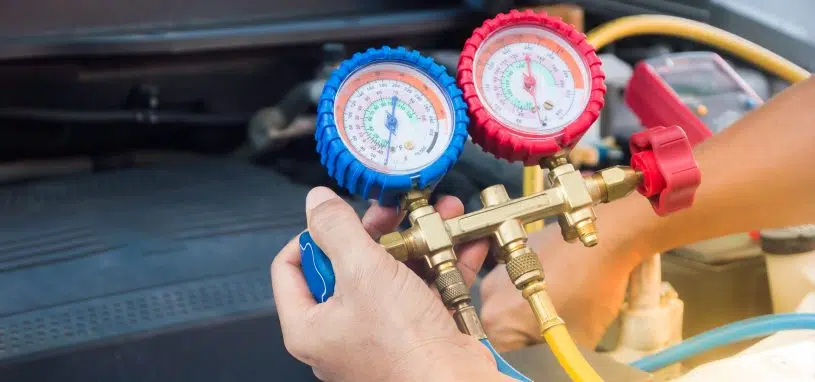
Routine servicing helps prevent system wear, refrigerant loss, and declining cooling performance over time. Professional inspections can also identify leaks, blocked components, or failing parts before they lead to major air conditioning repairs.
Keep windows and doors closed when running AC
Keeping windows and doors closed while the AC is running helps the system cool the cabin more efficiently. It also reduces heat entering the vehicle, allowing cool air to circulate properly without placing extra strain on the air conditioning system.
Pre-cool your car properly
On hot days, releasing trapped heat before turning on the air conditioner can reduce the AC system’s workload. Opening the doors or lowering the windows briefly before driving allows hot air to escape, helping the cabin cool down faster once the AC is running.
Clean or replace your cabin air filter
A dirty cabin air filter can restrict airflow and reduce overall cooling performance. Regularly cleaning or replacing the filter helps restore proper airflow through the vents and allows the air conditioning system to operate more efficiently.
Get car air conditioning assistance from Natrad
If your car aircon is not blowing cold air, professional diagnostics can help identify the cause before the problem worsens.
Natrad’s automotive air conditioning specialists provide expert diagnostics, servicing, and repairs for a wide range of vehicles across Australia. Using advanced diagnostic equipment and decades of cooling system experience, Natrad can help keep your vehicle comfortable and operating efficiently.
Book your car air conditioning service with your nearest Natrad service centre today.