Parts Shop
 Store Locator
 131 723
How much does a car radiator replacement cost?
The time involved will depend on the vehicle and the extent of parts that need to be removed to gain access and be replaced. Sometimes, the existing radiator can be restored if it is simply blocked, but otherwise in good condition. The price of a car radiator replacement depends on your car’s make, model, age and size. The cost of parts also depends on whether you use genuine car parts or cheaper aftermarket ones.
We must assess your vehicle before we can give you a proper price estimate for a new car radiator. But here are some ballpark figures to help you plan your finances.
- On popular cars, a basic radiator might only cost a couple of hundred dollars
- Radiators for performance or prestige vehicles can cost over a thousand dollars
- Rare and custom-made radiators and components are priced individually.
If you bring your car to Natrad for a radiator replacement, we’ll perform a complimentary cooling system check to uncover any other possible causes for the overheating engine (such as a faulty thermostat).
What affects the cost of replacing a radiator?
The cost to replace a radiator in a car isn’t the same for every vehicle. While many drivers focus on the radiator’s price, the total cost of an auto radiator replacement is influenced by several factors, including labour, vehicle design, radiator quality, and the condition of the cooling system.
Understanding these variables can help you budget more accurately and avoid surprises when obtaining a quote.
| Cost factor | How it affects radiator replacement costs |
|---|---|
| Vehicle make and model | A standard passenger vehicle will typically cost less to repair than a prestige, performance, 4WD, or commercial vehicle. Some models require specialised radiator parts or more complex installation procedures. |
| Radiator type and quality | Radiator prices in Australia vary significantly depending on whether you choose genuine, OEM-equivalent, aftermarket, heavy-duty, or performance components. Higher-quality radiators generally offer better durability and cooling performance. |
| Labour requirements | Labour costs depend on how easily technicians can access the radiator. Some vehicles require additional components to be removed before the radiator can be replaced, increasing installation time. |
| Coolant replacement | A radiator replacement typically involves draining and refilling the coolant. The type and quantity of coolant required can influence the overall cost. |
| Additional cooling system faults | During inspection, technicians may identify related issues such as a faulty thermostat, worn radiator hoses, a damaged radiator cap, a leaking water pump, or cooling system contamination that should be addressed at the same time. |
| Custom or rare applications | Vehicles with custom-built, imported, classic, or specialist cooling systems may require radiator parts to be sourced or fabricated individually, which can increase costs. |
As a general guide, a replacement radiator for a popular vehicle may cost only a few hundred dollars, while radiators for performance or prestige vehicles can exceed $1,000 before labour is considered. This is why the most accurate way to determine the cost of replacing a radiator is to have a professional inspect both the radiator and the wider cooling system.
Radiator repair cost vs replacement cost
When faced with a radiator leak or other cooling system issue, many drivers wonder whether it’s better to pay for a radiator repair or invest in a complete replacement. The right option depends on the radiator’s condition, age, and the extent of the damage. While a repair may seem like the cheaper choice upfront, it isn’t always the most cost-effective long-term solution.
| Choose radiator repair if: | Choose radiator replacement if: |
|---|---|
|
|
| Repair advantages: | Replacement advantages: |
|
|
When should you replace your car’s radiator?
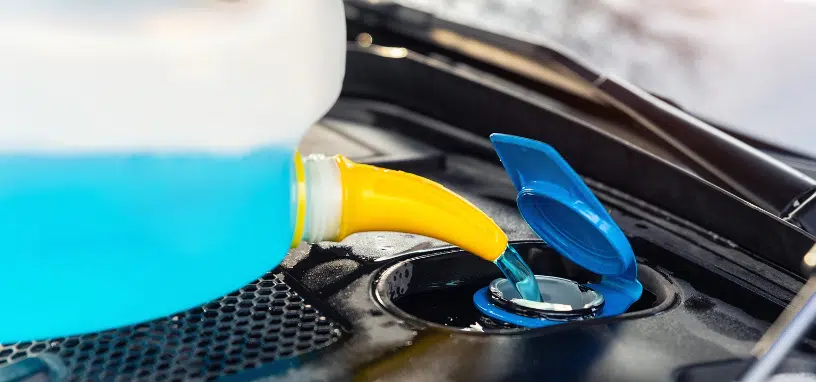
A radiator replacement becomes necessary when the radiator can no longer cool the engine effectively or when repairs are unlikely to provide a reliable long-term solution. Ignoring the warning signs can lead to overheating, costly engine damage, and unexpected breakdowns.
One of the most common signs that a radiator needs replacing is a leaking radiator. Coolant leaks may appear as coloured fluid beneath your vehicle or a gradual loss of coolant without an obvious cause. Corrosion, internal blockages, and a cracked radiator can also reduce cooling performance and place additional strain on the engine.
Overheating is another major indicator. If your temperature warning light comes on, steam escapes from under the bonnet, or your car overheats under normal driving conditions, the radiator may be failing to dissipate heat effectively. In some cases, the problem may be linked to other cooling system components, such as the thermostat, radiator cap, water pump, or radiator hoses, which is why a professional inspection is important.
While the cost of fixing a radiator may be lower for minor faults, extensive corrosion, recurring leaks, or severe damage often mean the radiator needs replacing. Addressing the problem early can help prevent more expensive repairs and keep your cooling system operating as intended.
Cracked or leaking radiator: what will it cost?
A cracked radiator or a coolant leak can require anything from a relatively minor repair to a complete radiator replacement. The final cost of the radiator leak repair depends on the severity of the damage, the condition of the radiator, and whether related cooling system components have also been affected. Addressing the issue early is usually the most cost-effective approach.
- Minor radiator leak: Usually the least expensive scenario if the leak is isolated and can be repaired before significant coolant loss occurs.
- Small crack in the radiator tank: May be repairable in some cases, depending on the radiator material and the location of the damage.
- Leaking radiator core: Often more complex to repair and may require reconditioning, recoring, or replacement if the damage is extensive.
- Corroded radiator: Internal or external corrosion can weaken the radiator’s structure, making replacement a more practical long-term solution.
- Multiple leaks: When a radiator develops several leaks, repair costs can quickly add up, making a replacement radiator the better investment.
- Overheating caused by coolant loss: If a leaking radiator overheats the engine, additional repairs to the cooling system or engine may significantly increase overall costs.
- Performance, prestige, or heavy-duty vehicles: Specialised radiator parts and labour requirements can increase the cost of repairing a cracked radiator or replacing the unit entirely.
The sooner a radiator leak is diagnosed, the more likely repair options will remain available. Delaying repairs can turn a minor leak into a much larger and more expensive cooling system problem.
Should you buy a radiator online?
Buying car radiators online can be a cost-effective option, especially if you compare prices from multiple suppliers. Online stores often offer a wide selection of products and competitive pricing, making them appealing to drivers looking to save money.
However, price shouldn’t be the only consideration. Choosing the wrong radiator can lead to fitment issues, cooling system problems, and additional costs down the track. It can also be difficult to verify product quality or determine whether a radiator meets your vehicle’s specifications based on photos and descriptions alone.
If you’re researching where to buy cheap radiators, make sure you confirm compatibility with your vehicle, check warranty coverage, and consider whether professional installation is required. A radiator that fits correctly and performs reliably will usually deliver better value than the cheapest option available.
The risks of buying cheap radiators online
While low radiator prices can be tempting, the cheapest option isn’t always the best value. Buying a radiator online can save money upfront, but it may also introduce risks that lead to higher repair and replacement costs later.
- Quality concerns: Some low-cost radiators may use lower-grade materials, which can affect durability and cooling performance.
- Fitment issues: A radiator that doesn’t match your vehicle’s specifications can be difficult to install and may not perform correctly.
- Compatibility mistakes: Even small differences between vehicle models can result in ordering the wrong radiator.
- Limited product verification: When purchasing online, you’re often relying on photos and descriptions rather than physically inspecting the product.
- Warranty limitations: Warranty terms can vary significantly between suppliers, and making a claim may be more difficult than dealing with a local specialist.
- Additional installation costs: If the wrong radiator arrives or extra modifications are required, the overall radiator car replacement cost can increase quickly.
Before deciding where to buy cheap radiators, it’s worth checking compatibility, warranty coverage, and supplier reputation. A quality radiator that fits correctly will usually provide better long-term value than the lowest-priced option available.
Why expert advice matters for radiator replacement
A radiator is one of the most important components in your vehicle’s cooling system, so choosing the right replacement is just as important as the installation itself. Professional radiator replacement advice can help ensure you select the correct radiator for your vehicle, reducing the risk of compatibility issues and future cooling system problems.
Expert technicians can also identify whether a radiator truly needs replacing or if a repair, flush, or another cooling system service may be sufficient. This can help avoid unnecessary expenses and provide a more accurate understanding of the overall cost of an auto radiator replacement.
Professional installation is equally important. A correctly fitted radiator helps maintain cooling performance, prevents coolant leaks, and reduces the likelihood of costly engine damage. While it may be tempting to focus solely on the cost to fit a radiator, quality advice and installation can save money by preventing repeat repairs and ongoing reliability issues.
Is the cost of genuine radiator parts worth it?
When comparing the cost of a new radiator, it can be tempting to choose the cheapest replacement available. However, the quality of the radiator can directly impact cooling performance, reliability, and long-term ownership costs.
- Improved durability: Genuine radiator parts are designed to meet the vehicle manufacturer’s specifications and are built to withstand normal operating conditions.
- Reliable fitment: Genuine parts are engineered for specific vehicle applications, reducing the risk of compatibility issues during installation.
- Consistent cooling performance: High-quality radiators help maintain proper engine temperatures and support the overall cooling system.
- Warranty protection: Genuine or manufacturer-approved radiators often come with stronger warranty coverage, providing additional peace of mind.
- Lower long-term costs: While the upfront cost of a new radiator may be higher, quality parts can reduce the likelihood of premature failure and repeat repairs.
- Better overall value: Focusing solely on purchase price can be misleading. A radiator that lasts longer and performs reliably often delivers greater value over the life of the vehicle.
Whether you choose genuine or high-quality aftermarket components, investing in a radiator that meets or exceeds manufacturer specifications is usually the safest approach when replacing a critical cooling system component.
Radiator cleaning and reconditioning costs
A radiator replacement isn’t always necessary; sometimes, a cleaning is all that’s needed. Depending on the unit’s condition, services such as cleaning, reconditioning, or recoring may restore cooling performance at a lower cost than installing a new radiator. The most suitable option depends on the radiator’s age, condition, and the extent of any damage.
Radiator cleaning cost
The average cost of radiator cleaning is between $150 and $350. A professional radiator clean can remove rust, scale, sludge, and other contaminants that restrict coolant flow. This is often the most affordable solution when the radiator is blocked but otherwise in good condition.
- Suitable for blocked or contaminated radiators
- Can improve cooling system efficiency
- Lower cost than reconditioning or replacement
- Often recommended as part of cooling system maintenance
Radiator reconditioning cost
The average cost for radiator reconditioning is between $100 to $400. Radiator reconditioning involves inspecting, repairing, and restoring components to extend the radiator’s service life. This can be a practical option when the radiator housing remains serviceable, but performance has declined.
- More comprehensive than a standard clean
- Can address minor leaks and wear
- May extend the life of the existing radiator
- Often costs less than a full replacement
Radiator recore cost
The average radiator recore costs between $350 and $800 AUD. A recore involves replacing the radiator core while retaining the original tanks and framework. This service is commonly used for older, classic, heavy-duty, or specialist vehicles where replacement radiators may be difficult to source.
- Restores cooling performance with a new core
- Suitable for some vintage and custom applications
- Can be more economical than sourcing rare replacement parts
- Typically costs more than cleaning but may be less than a complete replacement
When is replacement the better option?
Cleaning, reconditioning, and recoring can all provide value in the right circumstances. However, if the radiator has extensive corrosion, multiple leaks, or significant structural damage, a complete replacement may offer the most reliable long-term solution. A cooling system inspection can determine whether restoration is practical or whether a new radiator represents better value overall.

Trust Natrad for transparent car radiator replacement costs
If you need a radiator replaced, Natrad provides transparent car radiator replacement cost estimates and professional installation from cooling system specialists. Our team will assess your vehicle, explain the work required, and provide clear pricing before any repairs begin.
With quality radiator solutions, expert workmanship, and nationwide support, Natrad makes it easier to get your vehicle back on the road with confidence. Contact your nearest Natrad service centre today for a radiator assessment and obligation-free quote.