Parts Shop
 Store Locator
 131 723
How to change a cabin air filter
But over time, the filter can become clogged with debris. When this happens, airflow through the vents can weaken, your air conditioning may have to work harder, and the air inside your car may feel stale or dusty. Replacing the cabin air filter is a simple maintenance task that can make your vehicle more comfortable to drive, especially if you spend a lot of time in traffic or suffer from allergies.
This guide explains why replacing your cabin air filter matters, how to check your filter, how often it should be changed, and how to replace it safely.
Why replace the cabin air filter?
Replacing the cabin air filter helps protect the air quality inside your car. The filter is designed to trap airborne particles before they reach the cabin, including dust, pollen, mould spores, soot, bugs, leaves and other contaminants from the road.
A clean cabin air filter can make a noticeable difference to the comfort of your drive. It helps reduce the amount of dust entering the cabin, supports fresher airflow and can be especially useful for people who experience hay fever, asthma or other sensitivities to airborne particles.
A blocked cabin air filter can also affect your vehicle’s airflow and air conditioning efficiency. When the filter is clogged, the HVAC system has to work harder to push air through the vents. This can lead to reduced airflow, poor demisting performance, an air conditioner that doesn’t cool, and a less comfortable cabin, particularly in hot weather.
Regular car cabin air filter replacement is a simple way to support your vehicle’s ventilation system and keep the air inside your car cleaner.
Checking your car’s cabin air filter
Knowing how to check the AC filter in your car can help you spot problems before they affect cabin comfort. A dirty filter is often easy to identify once it has been removed from the filter housing.
Common signs of a dirty or blocked cabin air filter include:
- Weak airflow from the vents
- Dusty or musty smells inside the cabin
- More dust is settling on interior surfaces
- Foggy windows that take longer to clear
- Allergy symptoms while driving
- The air conditioning system is feeling less effective than usual
In many vehicles, the cabin air filter is located behind the glove box. In other models, it may be found under the dashboard or behind an access panel near the footwell. Your vehicle owner’s manual should show the exact location of the cabin air filter for your make and model.
When checking the filter, look for visible dirt, dust, leaves, insects or grey discolouration. If the filter looks clogged, smells unpleasant, or hasn’t been replaced in a long time, it is usually better to install a new one rather than try to clean it.
How often should you change your cabin air filter?
Most cabin air filters should be replaced every 12 months or 15,000km, but this can vary depending on your vehicle and driving conditions. Always follow your manufacturer’s recommended cabin filter replacement interval.
You may need to change your cabin filter sooner if you regularly drive in:
- Heavy traffic
- Dusty areas
- Industrial zones
- Areas with high pollen levels
- Bushfire smoke or poor air quality
- Unsealed roads
Cabin filter replacement guide
| Driving conditions | Suggested action |
|---|---|
| Normal everyday driving | Replace around every 12 months or 15,000km |
| Frequent city traffic | Check more often due to pollution and soot exposure |
| Dusty or rural roads | Inspect regularly and replace sooner if clogged |
| High pollen areas | Replace before or during allergy season |
| Weak airflow or musty smells | Check the filter immediately |
If you are unsure when your filter was last replaced, it is worth checking it during your next service or air conditioning inspection.

How to change a cabin air filter
Changing a cabin air filter is often straightforward, but the process can vary between vehicles. Some filters are easy to reach, while others are located in tighter spaces that may be better handled by a technician.
Before you start, make sure you have:
- The correct replacement cabin air filter
- Your vehicle owner’s manual
- A clean cloth or small vacuum, if needed
- A screwdriver, if your glove box or access panel uses screws
- A bag or bin for the old filter
Auto cabin air filters come in different sizes and shapes, so the new filter needs to match your vehicle’s make, model and year.
1. Find the cabin air filter
Most car models have the cabin air filter located behind the glove box. There are exceptions to this where the cabin air filter is found underneath the dashboard. If this is the case, there should be a small access door to open to reach the filter, often located in the driver’s or passenger’s footwell.
If the cabin air filter is located behind the glove box in your car, you’ll need to empty the glove box to get started.
You may need a screwdriver to unscrew the glove box hinges, or in some models, you can squeeze the glove box to unclip it from the hinges. Then slide the glove box out to access the filter tray.
2. Remove the old cabin filter
Slide the cabin air filter tray carefully out of the slot. Be careful not to scatter dust from the filter through the car. Take note of the pleat direction so you can install the new filter in the same direction.
3. Install the new cabin air filter
Remove the old filter from the filter tray and replace it with the new cabin air filter. Slide the tray back into place. You can then refit the glove box and replace its contents.
Do not force the filter into place. If it does not fit properly, it may be the wrong filter for your vehicle. After installing the new cabin air filter, you may notice stronger airflow and fresher air through the vents, especially if the old filter was heavily clogged.
Can I replace the cabin air filter myself?
Yes. In many popular vehicles, the cabin air filter is easy to change without tools. Watch this video for a step-by-step DIY guide to installing your new cabin air filter.
Which is better: pollen or activated carbon cabin air filters?
Pollen cabin filters and activated carbon cabin air filters both help improve the quality of air entering the cabin. The best option depends on your driving conditions and what you want the filter to do.
A pollen cabin filter is designed to capture common airborne particles such as dust, dirt, pollen, soot and other small contaminants. This makes it suitable for everyday driving and may be helpful for people who are sensitive to pollen or dust.
An activated carbon cabin air filter provides similar particle filtration and helps reduce unpleasant odours. This can be useful if you often drive in heavy traffic, near industrial areas or in places with strong exhaust fumes.
| Filter type | Helps filter | Best suited to |
|---|---|---|
| Pollen cabin filter | Dust, pollen, dirt, soot and airborne particles | Everyday driving and allergy-sensitive drivers |
| Activated carbon cabin air filter | Dust, pollen, particles and odours | Traffic, pollution-heavy areas and odour control |
If you are not sure which cabin air filter is right for your vehicle, check your owner’s manual or ask your local Natrad technician.
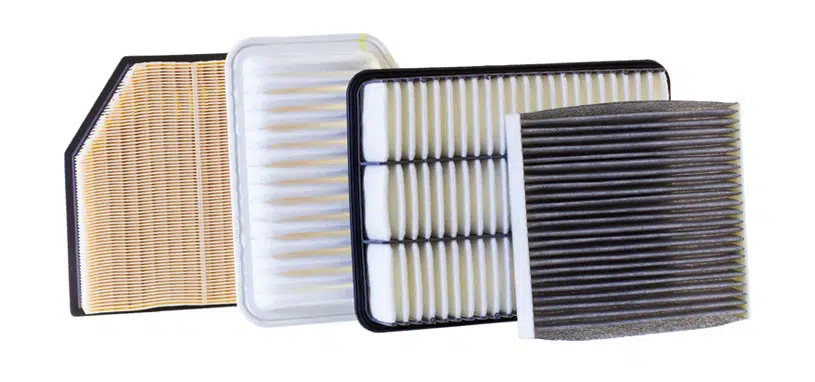
Clean or replace? What’s best for your cabin air filter?
Cleaning a cabin air filter may remove some surface dust, but it is usually only a temporary solution. Once fine dust, pollen, and debris become trapped deep within the filter material, cleaning may not restore proper airflow or filtration performance.
Vacuuming or tapping the filter can also damage the filter material, especially if it is already old or brittle.
When to replace instead of clean
Replace your auto cabin air filter if:
- It is dark, grey or visibly clogged.
- It smells musty or damp.
- It contains leaves, insects or heavy debris.
- The filter material is torn or bent.
- Airflow from the vents is weak.
- You cannot remember when it was last replaced.
A new cabin air filter helps restore airflow and ensures the ventilation system is not pushing air through old, contaminated material.
Where to buy a cabin air filter
You can buy a cabin air filter replacement from an auto parts supplier or your local Natrad store. When choosing a filter, make sure it is suitable for your vehicle’s make, model and year. Using the wrong filter can affect fitment and airflow. If you are not sure which cabin air filter for your vehicle you need, ask a Natrad technician for help.
Book your cabin air filter replacement with Natrad
If your cabin air filter is dirty, blocked or difficult to access, Natrad can help. Our technicians can inspect your filter, recommend the correct replacement and install it properly.
Book your car cabin air filter replacement with your local Natrad team and keep the air inside your vehicle fresher, cleaner and more comfortable.